3 Myths About Concrete You Need to Know
Concrete Myths Debunked
❶
Good Concrete Doesn’t Crack
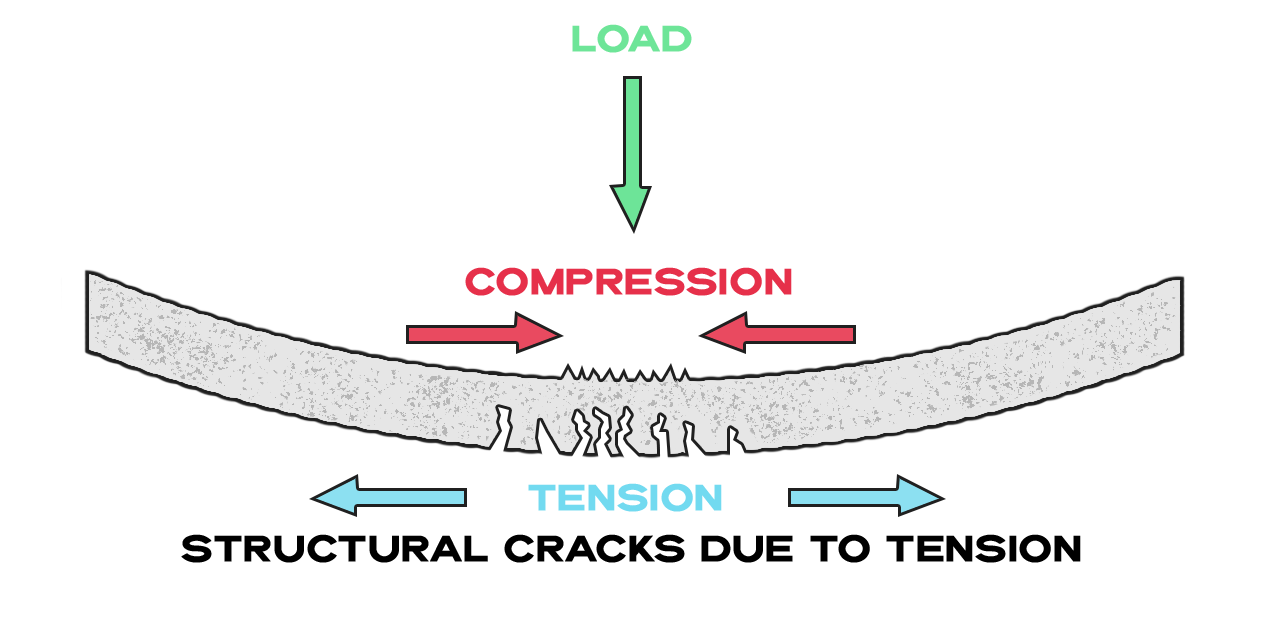
Concrete cracks. Concrete can crack for many different reasons. Structural cracks are the ones to worry about.
Types of Cracks
There are many different causes of cracking in concrete but they normally fall into 2 distinct categories. Hairline cracks or large structural cracks. Structural cracks are larger cracks that form due to improper preparation of the subgrade or lack of adequate reinforcement in the concrete mix itself.
❷
Good Concrete is Strong on its Own
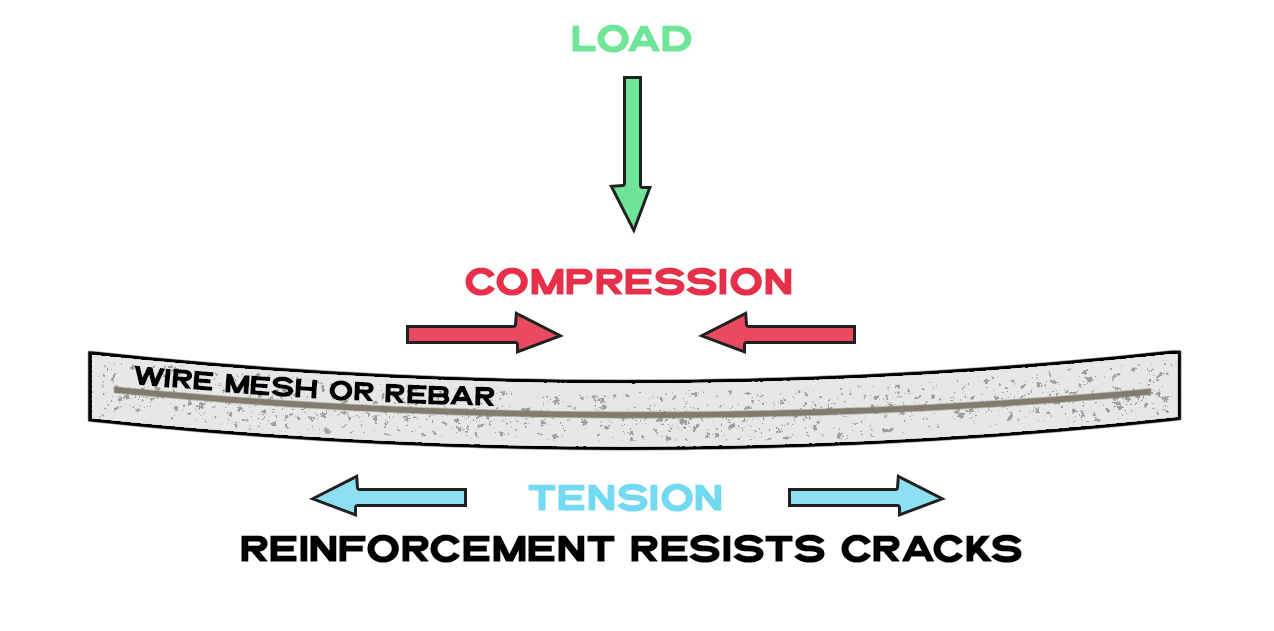
NO, concrete has what we call great compressive strength. This means it handles being compressed very well. However, concrete on its own does not have great tensile strength; meaning if you try and stretch it, or bend it, you risk cracking it.
Making Concrete Resistant to Being Stretched or Bent
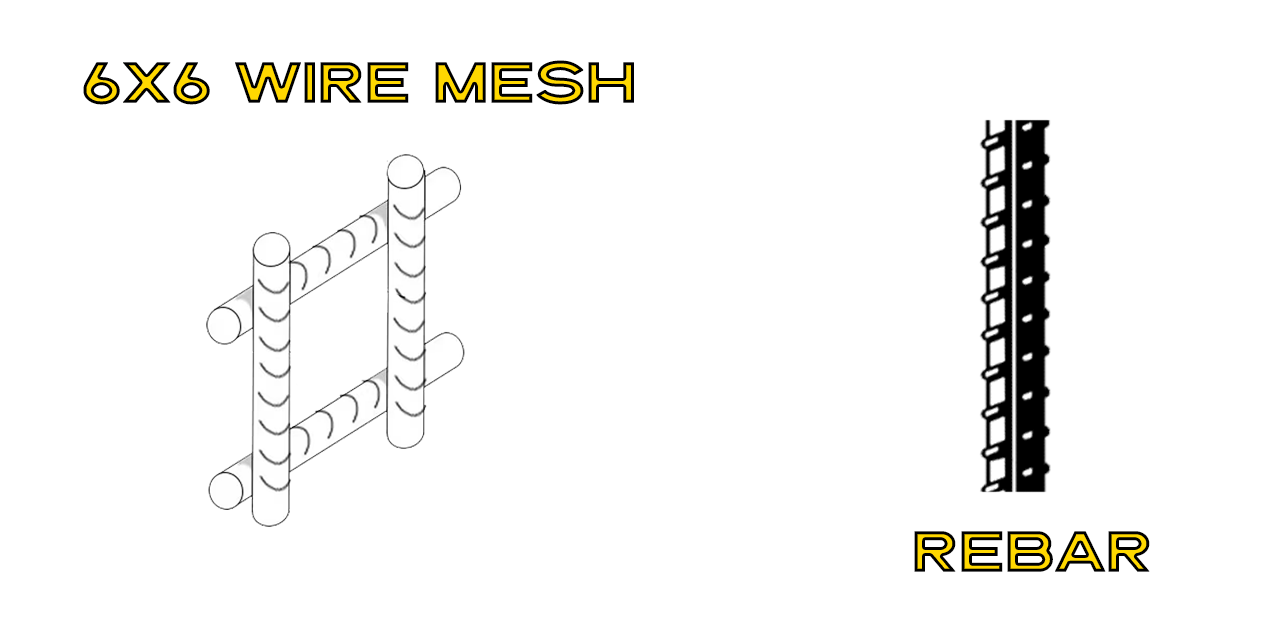
In order to make concrete stronger when it is flexed, bent, or stretched we often add what we call reinforcement. For example we can add wire mesh or rebar and make concrete more resistant to these forces.
❸
There Are Concrete Safe De-icers
NO, there is NO safe de-icer to use on concrete. Especially unsealed, outdoor concrete. While salt may be the worse offender - any product that causes water to melt during freezing temperatures will harm your concrete.
Sealing Concrete to Prevent Damage
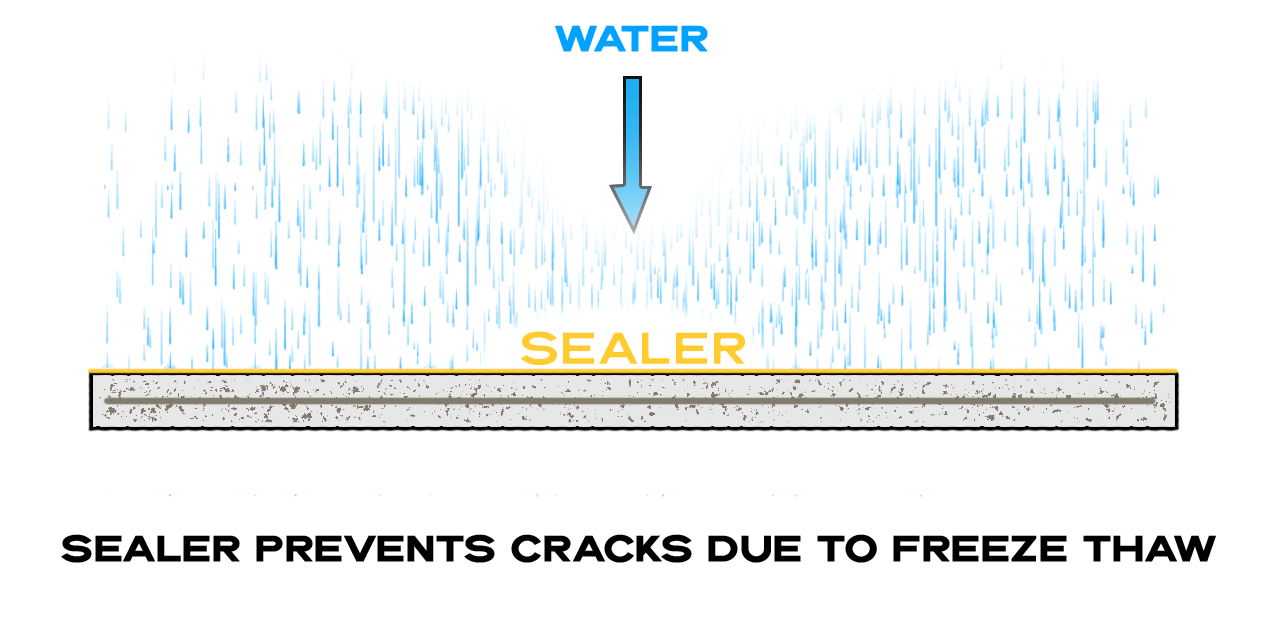
Because concrete is porous it tends to absorb water. With freezing temperatures, any water that has absorbed into the concrete will freeze and expand causing the concrete to crack. Keeping liquid out of the pores of concrete during freezing temperatures is the name of the game. This is why sealing your concrete is so important.
Reinforcement
To help prevent microcracks, synthetic fibres are often added to the concrete mix. For larger structural cracks - wire mesh and sometimes even rebar are recommended depending on the situation. Reinforcement helps manage cracks in concrete.
Crack Management
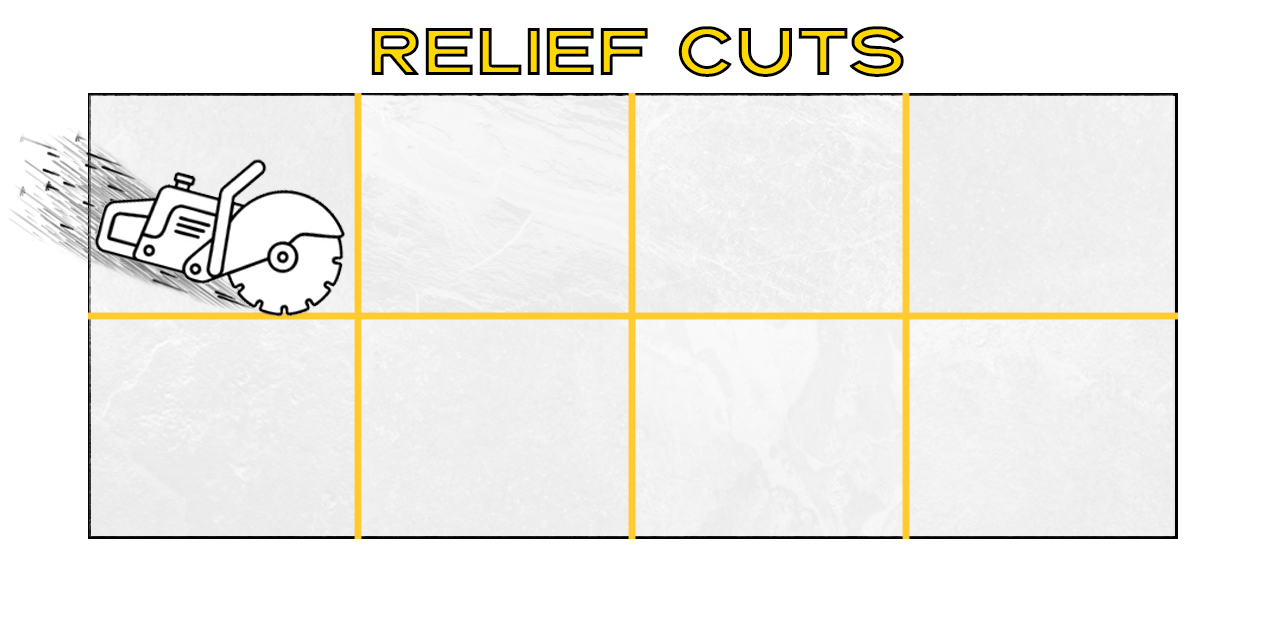
Managing cracks in concrete is all about channeling where those cracks will form and making them less apparent.
We do this by making what we call relief cuts in the concrete. This is a shallow cut in the slab that makes it easier for the crack to form in a straight line in what would otherwise look like a purposeful joint.
Seal the Surface
When water freezes inside the pores of concrete, it expands, and breaks concrete. Sealers prevent this process by sealing the surface so that water can’t absorb into the concrete which is most important during freezing temperatures.